San Antonio teems with martial arts schools, each promising focus, discipline, and confidence for young students. But parents know there’s more to it than glossy flyers and medal counts. The right program can guide a child through tough years, shape character, and even forge lifelong friendships. The wrong fit, though, can sour a first experience or leave a parent frustrated over lackluster instruction.
I spent weeks visiting gyms, talking with coaches, and watching classes across the city. My goal was to separate hype from substance - to find out which youth martial arts programs truly serve San Antonio families. Below you’ll find an honest look at what I saw: the strengths, the quirks, and the subtle differences that matter when choosing for your child.
Why San Antonio Families Seek Martial Arts
Every family comes with their own story. Some parents want to help a shy kid open up. Others need an energy outlet for a restless child or hope martial arts will teach respect that sticks at home. In San Antonio, I heard another theme too: community.
This city blends military culture, deep-rooted Hispanic traditions, and Texas pride into something unique. Martial arts dojos here often double as neighborhood hubs. You’ll see birthday parties at the gym, potlucks after belt tests, and teenage black belts helping toddlers tie their uniforms. The best programs don’t just teach kicks and holds; they create belonging.
Styles on Offer: More Than Just Karate
San Antonio’s martial arts landscape is richer than most expect. Parents can pick from traditional styles or modern mixes:
- Karate remains a mainstay, especially among families seeking structure and clear progression. Jiu Jitsu, particularly Brazilian Jiu Jitsu (BJJ), has exploded in popularity over the last decade thanks to the rise of MMA. Taekwondo schools abound too, emphasizing kicks and Olympic sport. MMA gyms now offer “kids MMA” or youth striking/grappling hybrids. Less common but still present: Judo, Muay Thai, Kung Fu, and boxing for youth.
When I asked parents why they chose one over another, their answers often came down to three factors: philosophy, physicality, and practicality. For instance, one dad told me he liked BJJ because “my daughter is tiny - I want her to know how to handle herself on the ground.” Another mom chose karate because she valued its etiquette and formal lessons about courtesy.
What Sets San Antonio Gyms Apart
A few details kept popping up in my visits:
Military Influences: Several instructors are veterans or active-duty service members. Their classes blend discipline with patience - firm but fair. Kids line up quickly and learn to address adults with “sir” or “ma’am.”

Bilingual Instruction: Spanish is spoken in many gyms, either as the main language or woven into commands and lessons. For some kids, this eases nerves; for others, it’s a bridge between home life and public life.
Family-Focused Events: Most top programs host regular “parents versus kids” nights, family seminars, or sibling discounts. One BJJ academy runs an annual “mat picnic” at Brackenridge Park.
Practical Self-Defense: With MMA San Antonio Texas has embraced real-world readiness. Even in traditional settings, instructors now add anti-bullying drills or scenario training so kids learn both sport and street smarts.
Key Programs Reviewed
Let’s get specific. Below I focus on several widely respected gyms that stand out for youth programs in Martial Arts San Antonio Texas. Each has its own feel, strengths, and ideal student profile.
Ohana Academy
Ohana means “family,” and this MMA gym lives up to its name. With three locations across the city (including one near UTSA), Ohana offers youth classes in Brazilian Jiu Jitsu, No-Gi Grappling, Muay Thai, and beginner MMA.
What struck me most was how invested the coaches seemed in each kid’s progress. Head instructor Jason Yerrington greets families by name and walks the floor during every youth class, correcting technique with encouragement instead of barked criticism. Classes are 45 minutes long - just right for attention spans - with clear warm-ups, technical drills, then carefully supervised sparring.
Ohana’s youth BJJ team regularly competes at local tournaments (check their wall of medals in the main lobby) but there’s no pressure to compete. Parents told me they appreciate this balance: shy kids build confidence without being pushed too fast; athletic kids can chase medals if they want.
Monthly tuition runs $125 to $150 depending on program access. Sibling discounts are available. Uniforms (gi or rash guard) run about $50-$80 but hand-me-downs circulate among families.
Victory Martial Arts
With multiple branches around San Antonio (Stone Oak is especially popular), Victory focuses on Taekwondo for ages 4 through teens. Their approach is orderly: crisp uniforms, polished floors, flags on the wall. Every class starts with an oath recited in unison about respect and honesty.
Victory tailors classes by age group: “Tiny Champs” (4-6), Juniors (7-12), then Teens (13+). Younger groups use games like relay races or “ninja obstacle courses” to teach agility alongside kicks and blocks. Older kids transition into sparring and forms practice.
Parents say Victory is unbeatable for structure and positive reinforcement. Sticker charts, “student of the week” awards, and frequent belt tests keep motivation high. However, some families felt the pace could be slow for athletic kids who want more contact or real-world self-defense drills. If your child thrives on routine and encouragement, though, it’s hard to beat.
Expect tuition between $100-$140 per month; gear packages add another $80-$120 upfront.
Dominion MMA
If you’re looking for MMA Gyms San Antonio Texas that take both fun and toughness seriously, Dominion stands out. Their youth MMA program fuses striking (boxing/Muay Thai) and grappling (Jiu Jitsu/wrestling), so kids get well-rounded exposure from day one.
Owner Miguel Castro brings high-level fight experience but translates it for kids without overdoing intensity. Classes stress anti-bullying tactics - not just fighting skills - and teach when (and when not) to use techniques outside the gym. Sparring is controlled; no headshots allowed for under-12s.
Dominion offers trial weeks so families can test the waters before committing. The space itself feels energetic rather than intimidating: murals on the walls, music in the background, older teens helping coach little ones through drills.
Tuition averages $130-$150 monthly; gloves/shin guards required after the first few weeks. Unlike some gyms, Dominion often lets parents watch practices but asks them not to coach from the sidelines.
Carlson Gracie Jiu Jitsu San Antonio
For families seeking pure Jiu Jitsu San Antonio Texas options, this academy is widely respected. Affiliated with the famous Carlson Gracie lineage from Brazil, the gym specializes in technical instruction delivered patiently - perfect for beginners or less athletic kids.
Classes focus on self-defense applications as much as sport competition. Coach Alex Lane (a brown belt who started as a nervous kid himself) emphasizes leverage and timing over brute strength: “Jiu Jitsu is like chess,” he tells students during positional sparring.
What sets this gym apart is its tight-knit vibe. Older students mentor newcomers; birthday parties spill into mat time; parents chat easily while watching through glass windows. Fees run $110-$130 monthly; uniform is required but loaners are available for trial classes.
Universal Martial Arts Academy
Less splashy than some chains but deeply rooted in the community, Universal blends Karate and Kickboxing in its youth program on the northwest side of town. Instructor Sensei Garcia has taught martial arts in San Antonio since 1992; several current black belts started as grade-schoolers here.
Classes include practical self-defense (think escapes from grabs or dealing with playground bullies), but also emphasize forms and traditional values like courtesy and perseverance. Testing is earned rather than scheduled; kids have to demonstrate readiness before belt promotions.
Parents value the low student-to-coach ratio (often 8:1 or better) and monthly tuition under $110. Scholarships are quietly available for military families or those facing financial hardship.
What Makes a Program Truly Stand Out?
After https://mmavtks5907.almoheet-travel.com/inspiring-quotes-from-famous-mixed-martial-artists dozens of conversations with parents and students, some patterns emerged about what makes a San Antonio martial arts school truly exceptional:
First is the quality of instruction. Fancy facilities matter less than consistent coaching by adults who connect with children on their level. Kids sense authenticity; they tune out teachers who treat them like numbers or act distracted by phones during class. The best coaches I saw remembered small details (“How was your science test?”) and let kids fail safely before guiding them toward success.
Second is flexibility in approach. Not every kid wants medals or high-pressure sparring; some crave routine while others want variety. The best gyms offer multiple paths: competition teams for ambitious athletes, gentle classes for newcomers, chances to try different styles as interests grow.
Third is community culture. The strongest programs foster relationships beyond class time: potlucks after grading days, group outings to Spurs games, or simple rituals like high-fives at the end of practice. In these places, martial arts is more than exercise; it’s a support system.
How to Choose: A Practical Checklist
Parents face a maze of options. Here’s a quick checklist I’ve honed through years of helping families select martial arts programs:
Observe at least one full class before enrolling. Talk to other parents about their experiences. Ask about instructor credentials and turnover. Clarify costs upfront: tuition, gear, testing fees. Gauge how staff handle discipline and emotional upsets.If possible, bring your child along for a trial class and watch their body language after: did they light up or look lost? Trust that instinct as much as any online review.
Costs and Commitments: What to Expect
Youth martial arts in San Antonio is relatively affordable compared to other cities of similar size. Monthly rates cluster between $100 and $150 for most group classes; private lessons run higher but aren’t usually necessary at beginner levels.
Be wary of hidden fees: some chain schools charge extra for belt tests ($30-$60 each), mandatory gear packages ($100+), or “upgrade” memberships that unlock advanced classes only after several months. Independent gyms tend to be more flexible on uniforms and less aggressive about upselling.
Most schools offer free trial weeks or discounted intro packages. Take advantage of these before signing contracts; reputable programs won’t pressure you after one visit.

Competition vs Non-Competition Focus
Some parents worry that martial arts will push their children into unwanted tournaments or aggressive sparring scenarios. In reality, most San Antonio gyms offer both competitive tracks and non-competitive options.
At Ohana Academy, for example, participation in tournaments is celebrated but never mandatory; coaches check in with parents before suggesting competition teams. At Victory Martial Arts, younger children focus on games and forms until older ages signal readiness for sparring.
For families of children with sensory issues or anxiety, several gyms offer small-group or even one-on-one classes. Universal Martial Arts Academy has worked with kids on the autism spectrum by tailoring drills and using visual aids rather than loud verbal commands.
Stories from the Mat
One moment that stuck with me happened at Carlson Gracie Jiu Jitsu San Antonio on a rainy Tuesday evening. A boy named Marcos struggled through his first month - always last in pushups, nervous about rolling with bigger kids. On this night he finally pulled off a clean sweep in live sparring; his classmates erupted in cheers while his coach grinned and slapped him on the back: “You kept trying, that’s Jiu Jitsu!” Marcos’ mother told me later she’d never seen him beam like that outside their home.
At Dominion MMA, I watched a class where older teens mentored seven-year-olds through a striking drill. Instead of intimidation or boredom, both groups seemed engaged; one teen explained a jab in three different ways until his partner got it right.
These aren’t isolated cases; they’re typical of how strong martial arts communities nurture not just athletes but resilient human beings.
Final Thoughts: Finding the Right Fit in San Antonio
San Antonio offers more than enough options for families seeking martial arts instruction for their children. Whether you lean toward traditional Karate discipline, dynamic MMA Gyms San Antonio Texas style training, or the strategic art of Jiu Jitsu San Antonio Texas has schools ready to welcome you.
Take time to visit several programs before committing. Look past trophies and marketing slogans; focus instead on teacher-student relationships and how your child feels after class. Ask yourself whether this is simply another youth activity or something deeper: a place where your child can grow strong inside and out.
The best martial arts schools aren’t just about learning how to punch or grapple; they’re about building confidence that lasts far beyond the mat. And here in San Antonio, those places aren’t hard to find if you know what signs to look for.
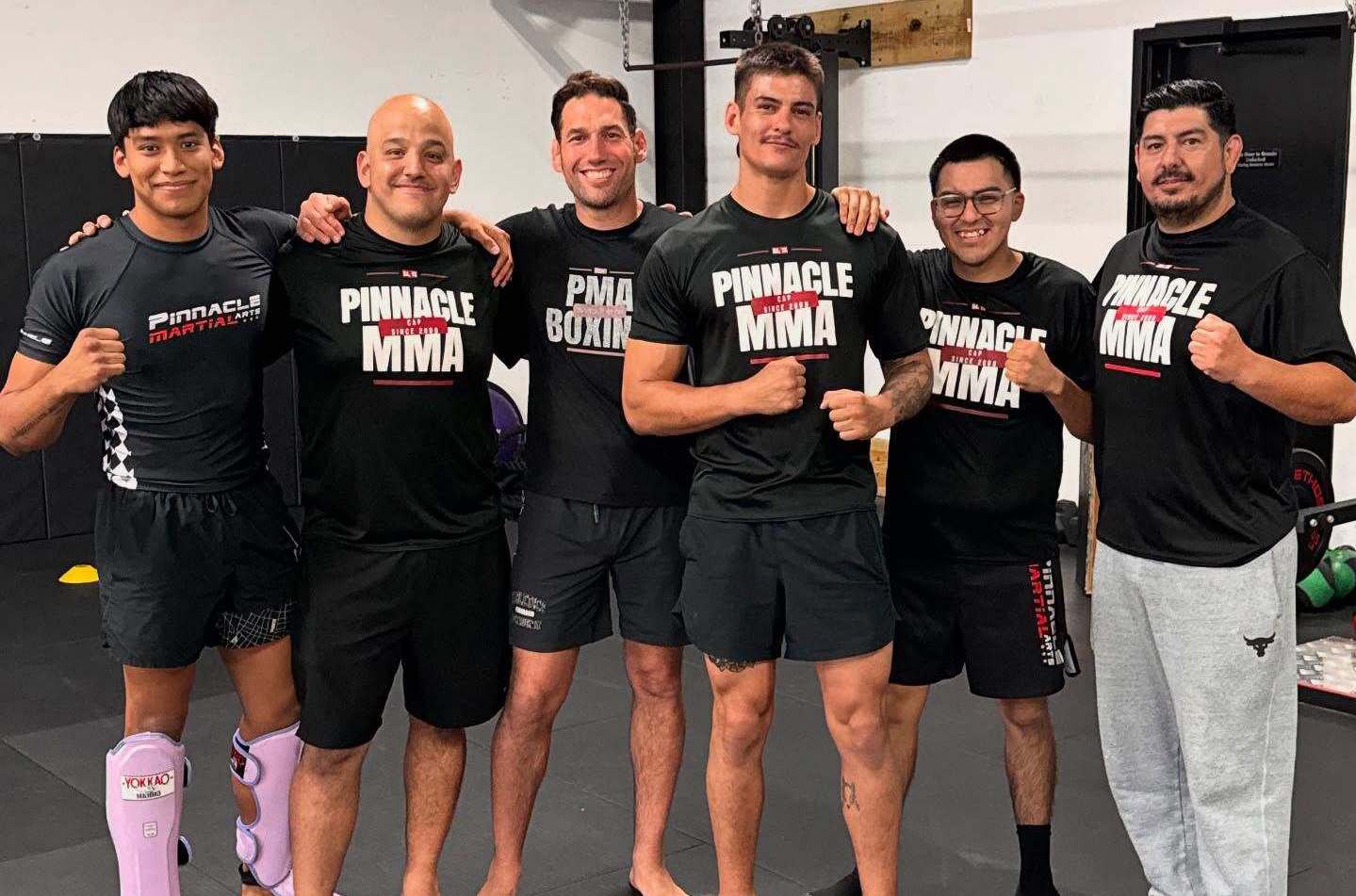
Pinnacle Martial Arts Brazilian Jiu Jitsu & MMA San Antonio 4926 Golden Quail # 204 San Antonio, TX 78240 (210) 348-6004