Few sensations match the crisp satisfaction of a well-thrown punch or the sharp crack of a roundhouse kick landing precisely where intended. Anyone who has trained at a reputable martial arts gym in San Antonio knows these moments are not accidents. They are the product of hours spent drilling, refining form, and understanding how the human body generates force. Strip away the mystique, and what remains is science - biomechanics, physics, and applied psychology shaping every effective strike. Let’s explore what really separates skilled strikers from those still finding their rhythm, with an eye toward what’s being taught in local MMA gyms.
Why Some Strikes Land Harder Than Others
Step into any MMA gym during pad work and you’ll hear it: some gloves snap against mitts like firecrackers while others thud dully. The difference isn’t just muscle mass or aggression. At its core lies an understanding of kinetic linking - how to connect the major muscle groups in sequence so that energy flows seamlessly from foot to fist.
A powerful right cross begins with a push off the rear foot, travels up through the calf and thigh, rotates through the hips and torso, then whips out through https://martialartssanantoniozxrd3001.lucialpiazzale.com/building-confidence-through-martial-arts-for-kids-in-texas-1 the shoulder, elbow, wrist, and finally knuckles. This chain is only as strong as its weakest link. If you disengage your core or let your elbow drift wide before impact, you bleed power. Local coaches often cue students to “turn their hips” or “snap their punches,” but behind those instructions is a clear scientific principle: maximize rotational torque and deliver it efficiently.
I’ve watched first-timers at open mats in San Antonio struggle with this idea. Most try to muscle their way through pads using only their arms - exhausting themselves without much effect. Once they learn to coordinate hip rotation and plant their feet properly, even smaller athletes start generating impressive force.
The Role of Body Mechanics: Structure Over Strength
Effective striking is less about raw strength than about structure and timing. Think about Muay Thai low kicks - one athlete might have tree-trunk legs but produce little impact if they simply swing from the knee down; another with slimmer thighs can chop down opponents by engaging hips and pivoting on the support foot.
In Brazilian jiu-jitsu classes that offer some striking integration (a growing trend in MMA gyms San Antonio-wide), instructors emphasize maintaining posture during clinch entries to avoid absorbing unnecessary damage. Posture isn’t just for defense; it’s crucial for offense too. If your spine collapses forward on a jab or hook, you lose both reach and power potential.
Boxing coaches frequently remind students to “punch through,” not “to,” the target - teaching them to align bones (knuckles-wrist-elbow-shoulder) so that force transmits cleanly rather than dissipating in bent joints or misaligned limbs.
Speed Versus Power: How Physics Shapes Training
There’s an old debate among fighters about whether speed beats power or vice versa. In reality, both matter - but not always in equal measure for every style or situation.
Consider Newton’s second law: Force equals mass times acceleration (F = ma). You can hit hard by either increasing your mass (throwing your whole bodyweight behind a shot) or accelerating faster (snapping punches instead of pushing them). Many local MMA gyms focus heavily on teaching students how to “whip” strikes rather than simply shove them forward.
I remember sparring with an amateur flyweight who couldn’t have weighed more than 130 pounds soaking wet. His hooks stung more than heavier partners’ because he mastered timing - his shots arrived before I could brace myself, leveraging speed as his main weapon.
At higher levels of competition in Martial Arts San Antonio circuits, fighters blend both concepts seamlessly. Heavyweights need less speed for knockout power due to mass advantage; lighter fighters must compensate with lightning-fast delivery and accuracy.
Distance Management: Science Meets Strategy
Striking isn’t just about hitting hard; it’s also about knowing when you’re close enough to land but far enough not to get hit yourself. This spatial awareness separates casual practitioners from seasoned martial artists.
The average adult arm span hovers around 65-70 inches depending on height and build. Knowing your own “effective range” helps tailor combinations. Local boxing trainers run shadowboxing drills with lines taped across mats so students feel where they can touch vs where they risk overreaching and becoming vulnerable.
Kickboxers use similar tactics but must account for leg length differences too - it’s not uncommon at MMA gyms San Antonio hosts for instructors to mark kicking zones on heavy bags corresponding to shin versus foot impact areas.
Distance management isn’t static either; it shifts constantly as opponents circle, feint or move laterally. Experienced strikers develop a sixth sense for this ebb and flow by drilling hundreds if not thousands of controlled exchanges under supervision.
Timing Trumps All: Neuroscience Behind Reaction
No matter how perfect your mechanics or how explosive your movement, poorly timed attacks rarely land cleanly against skilled opposition. Split-second decision making is central to effective striking - a fact supported by neuroscience research into reaction times.
On average, humans react visually within 200-250 milliseconds when confronted with sudden movement (think of flinching at an incoming punch). Elite strikers train themselves not just to respond quickly but also to anticipate patterns using subtle cues: shoulder twitches before a jab or hip shifts telegraphing a kick.
Local martial arts schools employ reaction ball drills (small rubber balls that bounce unpredictably) and partner-based timing games where one person throws feints followed by real attacks at irregular intervals. These exercises wire neural pathways for both anticipation and quick response under stress.
Anecdotally, I’ve seen new students transform within months simply by adding five minutes of focused reflex training per class session—a testament to neuroplasticity even in adulthood.
Adapting Striking Across Disciplines
San Antonio boasts gyms specializing in everything from traditional Karate dojos to modern MMA facilities blending Boxing, Muay Thai, BJJ, Wrestling and more under one roof. Each discipline interprets striking principles differently based on rulesets and objectives:
- Karate emphasizes point fighting—speedy linear strikes withdrawn instantly. Muay Thai prizes full commitment into elbows and knees delivered up close. Boxing centers around hand strikes with layered head movement. MMA merges all ranges while demanding adaptability amid grappling threats.
If you walk into any serious MMA gym San Antonio offers, chances are you’ll see hybrid classes emphasizing transitions: punching into takedown attempts or defending against kicks while avoiding clinch traps common in Muay Thai rulesets.
Some techniques transfer directly—a crisp jab works everywhere—but context matters greatly when adjusting stance width or guard position depending on whether takedowns are allowed.
Practical Drills Local Gyms Use To Build Better Strikers
Theory without practice leads nowhere fast; this is why most experienced coaches cultivate habits through repetition anchored by feedback rather than rote memorization alone. Here are five staple drills regularly featured at top Martial Arts San Antonio facilities:
Shadowboxing With Visual TargetsStudents visualize specific opponents or tape shapes onto mirrors/floors—improving precision while ingraining correct mechanics without partner pressure. Pad Work Emphasizing Flow
Instead of isolated single shots, combos are chained together fluidly—forcing practitioners to maintain balance between attacks. Controlled Sparring Rounds
Light contact rounds teach timing under semi-live conditions—reducing injury risk while sharpening real-world application. Partner Reaction Drills
One partner throws unpredictable attacks; defender focuses solely on blocking/evading—boosts reflexes without mental overload. Progressive Heavy Bag Work
Timed rounds begin slow then ramp up power/speed each minute—develops endurance alongside technical consistency.
Each drill targets different facets of striking science—coordination, accuracy, composure under duress—and successful programs rotate them regularly so plateaus are avoided.
The Mental Edge: Psychology Of Landing Clean Shots
Ask any coach who has cornered fighters at local events—they’ll tell you physical skill alone doesn’t guarantee success once nerves set in under bright lights or during high-stakes sparring days at busy MMA gyms San Antonio houses every weekend.
Confidence comes from trust in preparation but also from learning how not to telegraph intent under scrutiny—a psychological game as much as mechanical one:
Imagine two fighters facing off across an octagon floor lined with spectators’ eyes glued anxiously upon them. One bounces lightly on toes projecting calm readiness; another fidgets nervously tipping every intention seconds early via micro-expressions or tension spikes visible even beneath padded gloves.
Mental rehearsal routines help smooth these edges over time: visualization exercises paired with breath control lower anxiety responses so technical skills shine through when adrenaline surges hit hardest mid-bout.
Seasoned instructors often share stories about their toughest matches—not just victories but losses too—to normalize setbacks as part of growth rather than personal failure narratives haunting many beginners long after bruises heal physically but linger mentally if left unchecked.
Adapting Scientific Principles For Hobbyists And Competitors Alike
Not everyone walking into Martial Arts San Antonio schools dreams of stepping inside a cage beneath fight-night lights someday—and that’s perfectly valid! The same biomechanical truths powering elite knockouts apply equally well whether preparing for competitive bouts or seeking fitness gains after long work weeks spent behind desks downtown.
Several hobbyists I’ve coached over years improved posture outside class thanks directly to stance alignment cues learned during striking drills—the carryover effects ripple outward reducing daily aches while boosting self-assurance no matter their age group.
Meanwhile aspiring competitors benefit from structured feedback loops available only inside tightly knit gym communities—where video review sessions dissect frame-by-frame why one punch lands flush while another skims harmlessly past target chin.
Both cohorts thrive best when given clear rationale underlying each correction—understanding why a coach insists upon certain foot placements fosters buy-in leading naturally toward faster improvement curves compared merely parroting instructions blindly until progress stalls out from boredom.
Choosing A Martial Arts Gym In San Antonio For Quality Striking Instruction
With dozens of options scattered across neighborhoods—from small family-run dojos tucked inside strip malls near Oak Hills Medical Center all way out toward sprawling industrial complexes along Loop 410—it pays dividends doing homework before signing any membership forms.
Look beyond flashy marketing promises touting “world-class instruction”; instead observe actual class structure during trial visits:
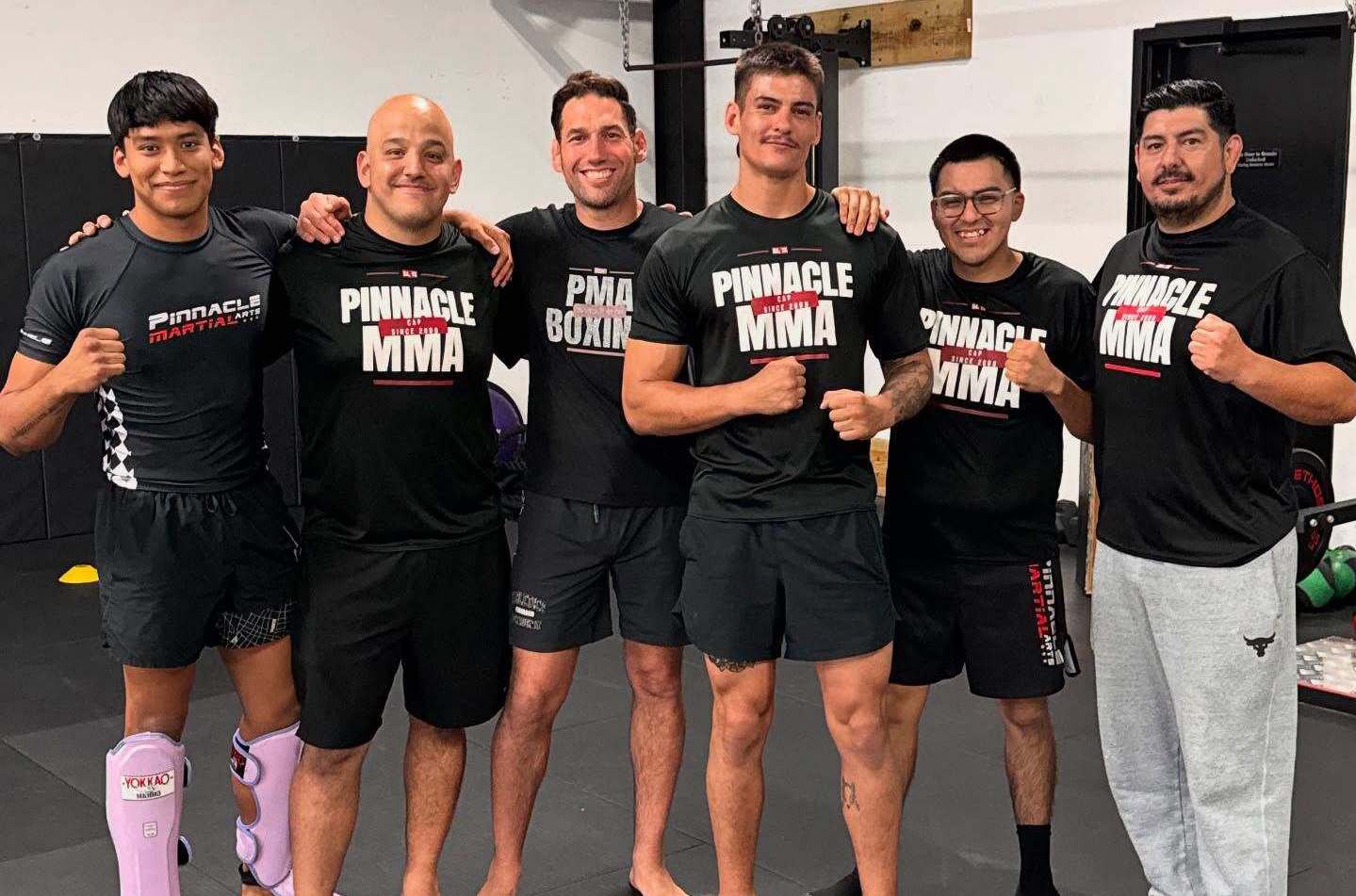
Does curriculum progress logically from fundamentals toward advanced applications? Are beginner classes separated enough so newcomers aren’t overwhelmed sparring grizzled amateurs their first week? Do instructors provide individualized attention correcting mistakes kindly yet firmly?
Ask current members about atmosphere outside class hours—is there camaraderie supporting growth regardless win/loss records? When injuries happen (as they inevitably do after hundreds reps thrown weekly), does coaching staff guide safe recovery timelines instead pushing reckless returns risking worse outcomes?
These details speak volumes about overall quality far more reliably than championship banners hanging above front desk counters ever could.

What To Expect On Your First Day Learning To Strike
Nervousness is normal stepping onto unfamiliar mats surrounded by strangers wearing branded rash guards emblazoned proudly with gym logos unique across Martial Arts San Antonio communities alike.
Expect plenty basics early on:
Warm-ups focusing mobility/stability first Drills isolating single techniques repeatedly Partner pad work prioritizing safety above bravado Short bursts light sparring only after demonstrating control
Most importantly—expect feedback! Good coaches explain why hands drop after combinations leave chins exposed; encourage questions when confusion clouds understanding mid-drill; celebrate tiny improvements alongside big leaps forward equally enthusiastically.
Over time fear fades replaced gradually by curiosity (“How can I sharpen my hook next week?”) then eventually pride (“That combo landed cleaner tonight!”)—the hallmark journey tracing scientific principles underpinning every effective strike taught locally generation after generation.
Martial arts remains both ancient art form steeped tradition and modern pursuit driven constant refinement rooted deeply within scientific method itself—all alive inside every quality MMA gym San Antonio has cultivated decade after decade atop Texas limestone foundation unshaken by passing fads elsewhere.
Whether drawn seeking self-defense confidence boost fitness challenge social connection—or simply joy found breaking sweat learning something new among friends—the science behind effective striking remains accessible for anyone willing invest honest effort guided patiently expert hands eager share knowledge earned across countless rounds fought long before science ever tried explaining why some hits always seem land harder than others could ever hope replicate theory alone without lived experience hard-won day-by-day inside those hallowed walls we call our second home: the gym itself.
Pinnacle Martial Arts Brazilian Jiu Jitsu & MMA San Antonio 4926 Golden Quail # 204 San Antonio, TX 78240 (210) 348-6004